Understand electron pair movement, SN1/SN2 pathways, and electrophilic additions without relying on pure memorization.
Organic Chemistry is often perceived by Class 12 students as a daunting maze of reactions, reagents, and mechanisms. However, when approached logically through electron movement and reactive intermediates, Organic Chemistry transforms into one of the most predictable and high-scoring sections in both CBSE Board exams and entrance tests like NEET and JEE.
The foundation of all organic mechanisms rests on understanding electron density. Curving arrows represent the movement of electron pairs from electron-rich species (nucleophiles) to electron-deficient centers (electrophiles). Once students master identifying nucleophilic sites (such as lone pairs on oxygen, nitrogen, or pi bonds) and electrophilic carbon centers (polar carbonyls, alkyl halides), predicting reaction outcomes becomes intuitive.
For CBSE Class 12, four key mechanism categories demand thorough practice: Nucleophilic Substitution (SN1 vs SN2 in Haloalkanes), Electrophilic Addition (Markovnikov and anti-Markovnikov additions in Alkenes), Nucleophilic Addition (Carbonyl reactions with HCN, Grignard reagents, NaHSO3), and Electrophilic Aromatic Substitution (Nitration, Halogenation, Friedel-Crafts on Phenol and Anisole).
To excel in board examinations, always draw neat structural formulas, show formal charges clearly, and write brief explanatory notes alongside curved arrows. At We-Gyaan Classes Roorkee, Dr. Aarzoo Saini emphasizes step-by-step mechanism drills that build long-term retention and exam confidence.
Key Takeaways for Students
- Always track electron pair movement from nucleophiles to electrophiles using curved arrows.
- Differentiate SN1 (two-step, carbocation intermediate, racemization) from SN2 (one-step, transition state, Walden inversion).
- Maintain a reagent reference chart classifying oxidising, reducing, and dehydrating agents.
- Practice writing named reactions with exact temperature, solvent, and catalyst conditions.
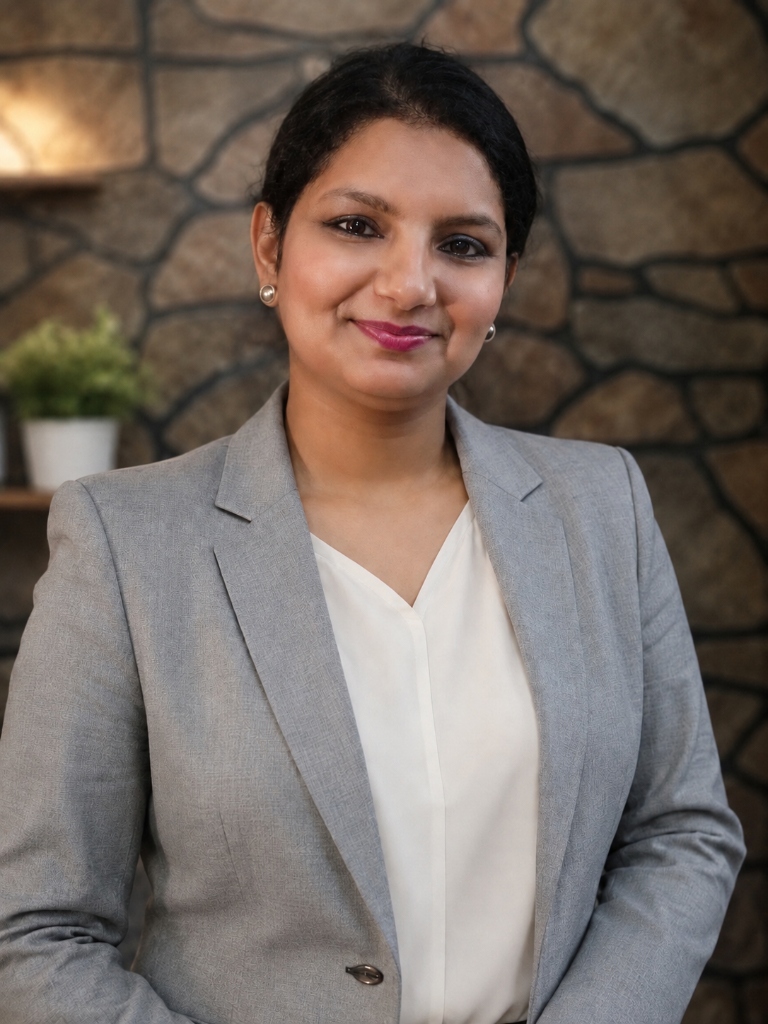
Authored by Dr. Aarzoo Saini
Founder & Lead Educator at We-Gyaan Classes Roorkee, with over 20 years of teaching excellence in Science and Chemistry for Board Exams, NEET, JEE, and CUET.